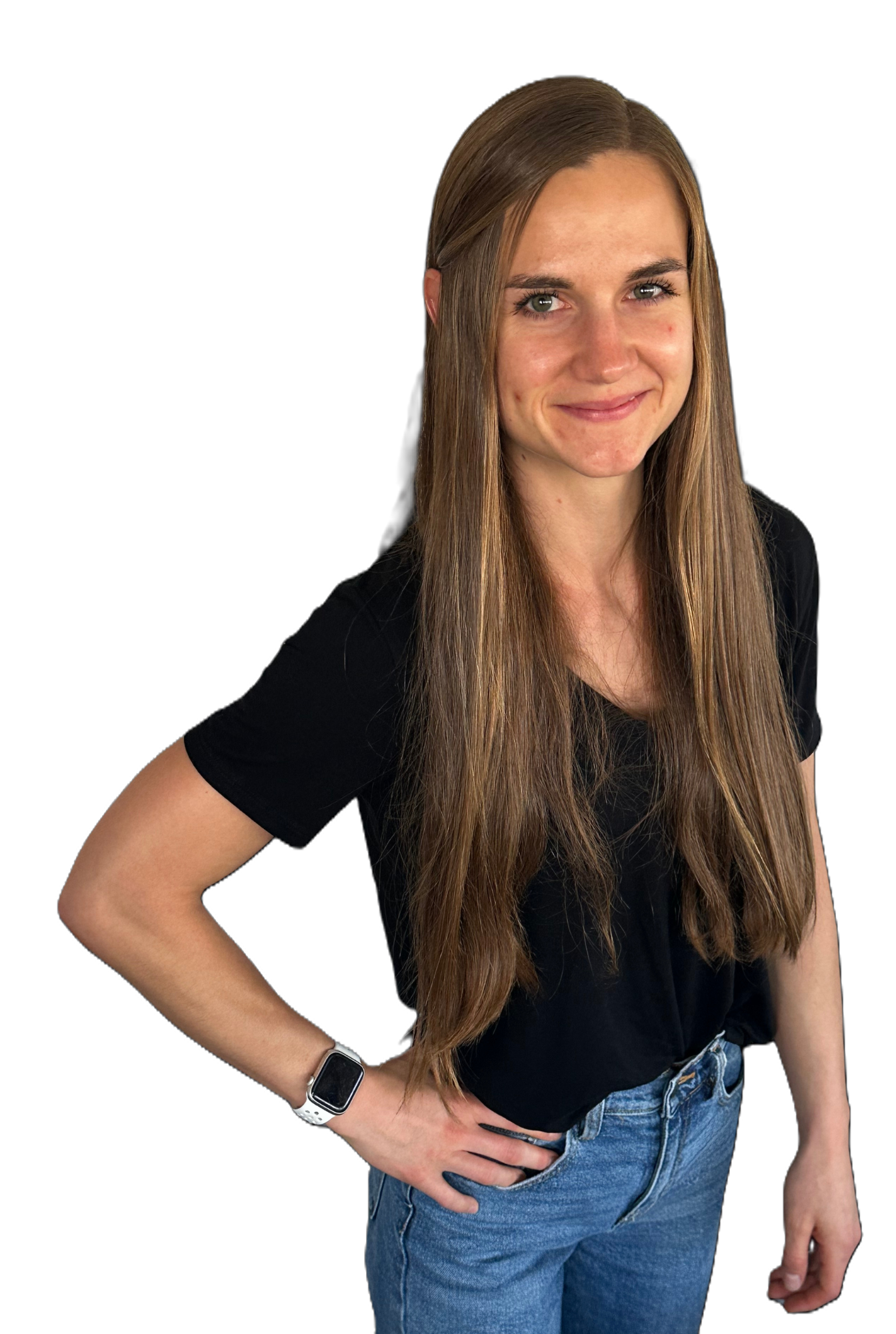
FACTS ABOUT KRYSTAL
Therapy Style
- Warm
- Curious
- Empowering
- Reflective
Education
- BS in Psychology from Arizona State University
- BS in Biology from Arizona State University
- MS in Clinical Mental Health Counseling at Walden University- in progress
Favorite Hobby
Krystal enjoys hiking, running, and listening to music.
POPULATIONS

Individuals 2+

Families

Couples

Telehealth
AZ

In Person
Scope of Practice
In addition to specializing in Mood Disorders including Anxiety and Depression, Body Image, and Transition to Adulthood, Krystal also has formal training and experience working with Addiction and Substance Use Disorders, Attachment Trauma and Related Needs, Parenting Support, Boundary Setting and Assertiveness, Relational Conflict, Women’s Issues, Suicidality and Self Harm, Disordered Eating and Eating Disorders, Maladaptive Coping Mechanisms, Life Transitions and Adjustment Challenges, Early Childhood Support, Identity and Self-Esteem, High Achieving and Perfectionistic Challenges, Grief and Loss, Complex Trauma and PTSD, and Career Counseling.
Evidence-Based Modalities
- Cognitive Behavioral Therapy (CBT)
- Creative Expression
- Internal Family Systems (IFS)
- Motivational Interviewing (MI)
- Solution-Focused Brief Therapy (SFBT)
- Strength-Based Therapy